



Internal Documents w/Klotron BOT KANE (Klotron Access Node Enforcement) Running
Inside Nuts and Bolts of Verify MC
(This page will evolve to the portal entrance for many)
🔒 Brave Browser Required
For your privacy and security, this page is only accessible in the Brave Browser.
Chrome, Edge, Safari, and others track you aggressively and expose you to ads, fingerprinting, and data leaks.
Taking you to download Brave now — it’s free, fast, and takes 30 seconds.
Redirecting in 2 seconds…
Unite Against Fraud
Fraud in Trucking takes on many forms in an Age of AI where thieves have unbelievable technology and time
The question is: How do we stop it?
How Verify MC Works - “Verify MC requires a trucker or vendor who is going to provide service to a broker to go to a web page, where we text them. If they can’t receive a text that tells us something, and the freight broker, in this case, asks to send them an email or tells them to go to a page.
Broker: The broker will ask the person to provide their name, phone number, and e-mail, which are required, and will send that to the system. Scammers have software that can simulate a phone; we can see around it. If something new defeats this, we have many layers.
Person: The person now enters their legal name, legal company name (if applicable), e-mail they do business under, mobile phone number, business phone main number (if applicable), then presses SUBMIT. Their device will ask permission, and they must click “OK.”
Web Page: Our Widget on the page grabs their geolocation, phone type, and details, including their browser, hardware type, and attempts to get their IP address and whether they are using a proxy or VPN. When the person first goes to the web page to start, we have another Widget that collects their IP address, Internet Provider, and a host of other information, including whether they have a proxy or VPN turned on. We even check their IP against a database of VPN IP Addresses. We can, with 99.9997 percent certainty, detect the person's location, IP address, and more. We are also using the info to search for more information about the person or company using an AI Agent and logins. The sum total is used to give the person a score and a pass or fail. We can also have the ability in the system to allow anyone to get a Verify MC fingerprint and warn everyone if hacked. In partnership with a national truck stop we can also start a Verify ME campaign.”
this page has warning
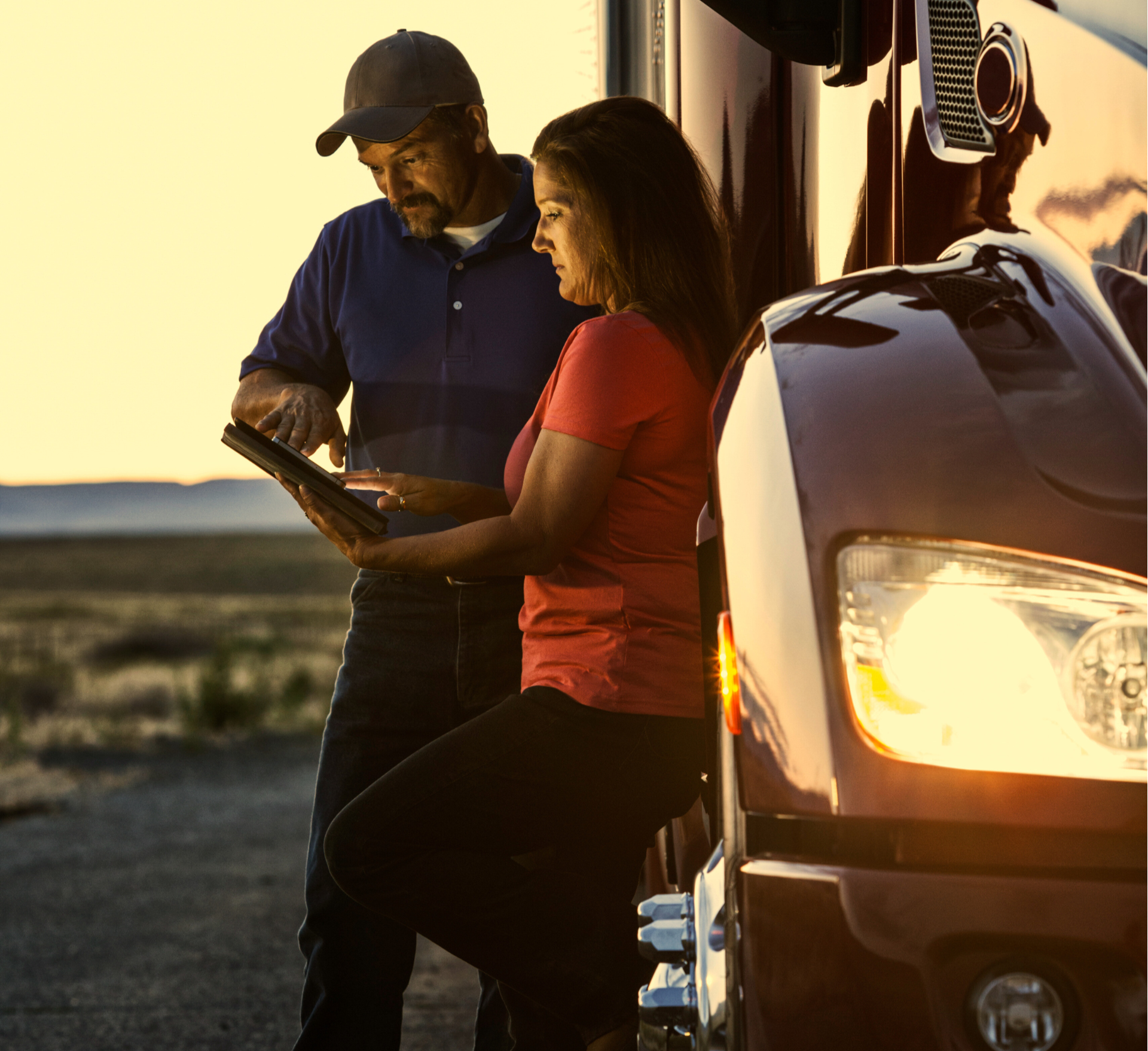
LOOK CLOSER AT THE IMAGE: Stealing Identities Is Simpler Than You Think
In truth we duplicated a real person, then used AI to change it. We then duplicated and modified the face and put it on several I.D. We asked a manager of a truck stop if she could tell which I.D. was fake. She couldn't. We even made a video of our Phil. our John Doe, playing with her kids. The paperwork was much simpler, truckers, brokers, and customers almost make it to easy.
How? We started with an actual stock photo and duplicated it with AI. We even created a video and can put Phil's image on a Facebook, or LinkedIn in page. We can even duplicate the actual trucker or owner's voice and have he or she carry on a conversation with you on the phone or video. The paperwork? You can buy someones or a companies identity on the dark web, or just guess, most passwords are so easy. Do you store your documents in a public cloud? Those people who manage them overseas for a few dollars and hour, they've got to make a living.
Verify MC sees through all that by linking a person, with a place, and a thing, their phone. We can even put a digital fence around a person or business.

Carrier Identity Theft
Cyber thieves steal the identity of a legitimate trucking company, often by obtaining their USDOT number, MC authority, and contact details from public databases or through hacking.
After gaining the assignment, they switch roles to act as an unauthorized broker, reassigning the load to a legitimate but unwitting carrier at a lower rate. The scammers pocket the payment difference, often disappearing without compensating the actual hauler, or use the process to facilitate cargo theft by directing the load to fraudulent destinations.

Double Brokering Fraud
In this scam, perpetrators pose as a authorized carrier using fake or stolen identities to secure a freight load from a broker via load boards or direct outreach.
After gaining the assignment, they switch roles to act as an unauthorized broker, reassigning the load to a legitimate but unwitting carrier at a lower rate. The scammers pocket the payment difference, often disappearing without compensating the actual hauler, or use the process to facilitate cargo theft by directing the load to fraudulent destinations.

Fuel Advance Scam
Fraudsters, pretending to be a trucking company or driver with a valid CDL, use impersonated credentials to book a load with a broker.
Shortly after, they request an advance payment for fuel or other expenses via quick-pay methods like Comchecks or wire transfers. Once the money is received, the scammers vanish without picking up the load, forcing the broker to rebook with a real carrier at additional cost while absorbing the lost advance.
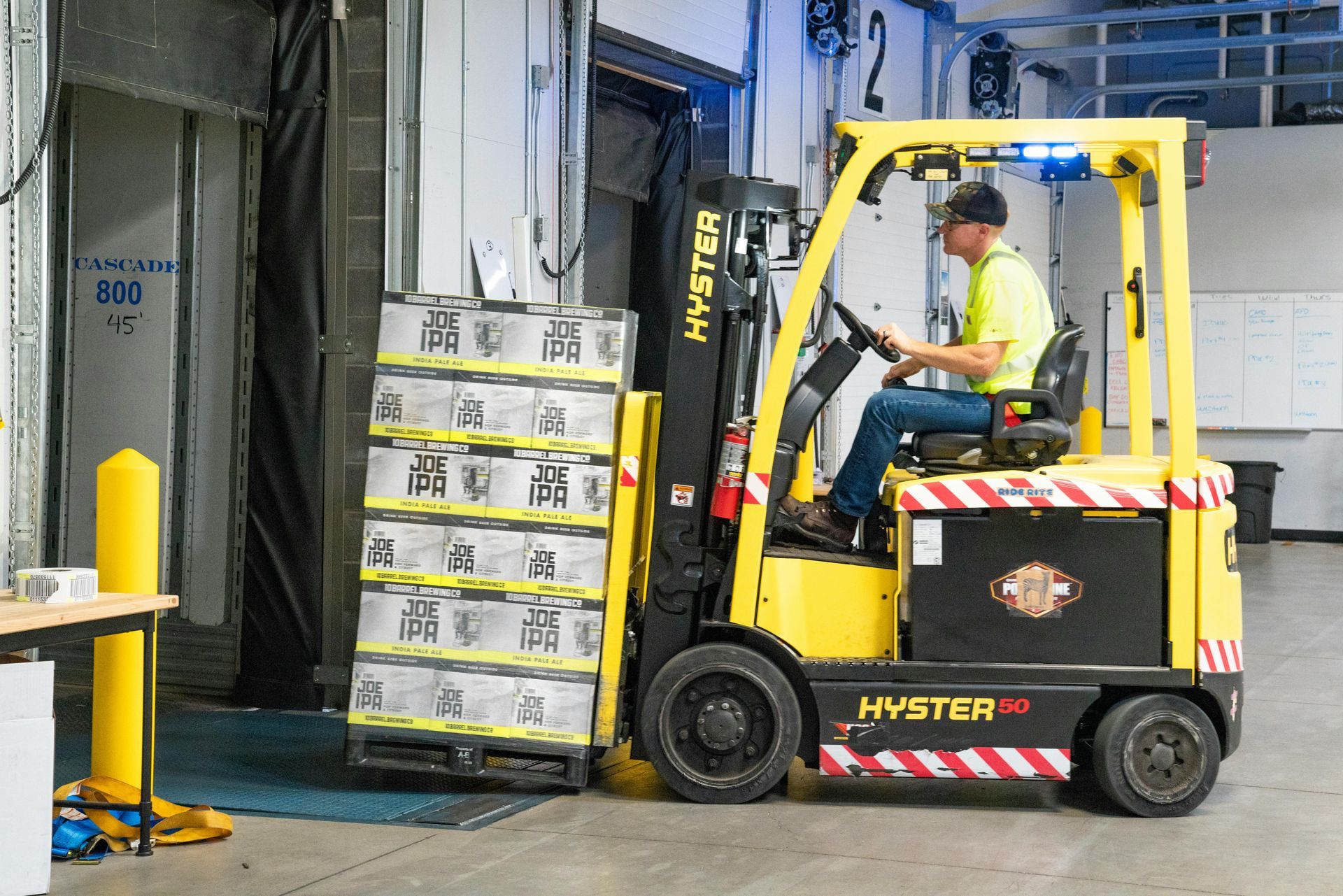
Fictitious Pickup and Cargo Theft
Scammers create phantom trucking companies with forged documents, fake websites, and spoofed phone numbers to appear legitimate and secure loads from brokers.
They then dispatch impostor drivers—who may have obtained or faked a CDL—to pick up the cargo under the guise of a real haul. After loading, the thieves divert the truck to a hidden location, steal the goods, and abandon the shipment, resulting in total loss for the broker and shipper.

Account Takeover and Invoice Fraud
Cyber criminals hack into brokers' or carriers' accounts on load boards, email systems, or payment platforms using phishing or malware.
Posing as legitimate parties, they alter invoices to reroute payments to their own accounts, create fake bookings by impersonating carriers, or intercept communications to demand ransoms for "held" loads. This digital impersonation exploits trust in the supply chain, leading to diverted funds and disrupted operations.
We got it.
Thank you for contacting us.We’ll get back to you as soon as possible.

Sign up an receive Keeping I.D.s Safe Training
Contact Us
We will get back to you as soon as possible.
Please try again later.
Sign up to receive special offers from our team.